
Nicotine pouches are available in different packaging styles designed to support product organization, portability, and clear consumer information. Packaging plays an important role in presenting product details, maintaining freshness, and making storage more convenient. In Germany, packaging considerations also reflect attention to material quality, labeling standards, and responsible product presentation. Understanding these features helps explain how different packaging approaches contribute to a consistent and organized product experience.
1. Compact Containers and Practical Designs
Compact containers are widely recognized for their convenient shape and organized storage. Their structure allows individual pouches to remain together while supporting everyday handling.
- Portable dimensions: Small containers fit easily into suitable storage spaces, helping users keep products organized.
- Secure closures: Well-designed lids help protect the contents from unnecessary exposure during storage.
- Stackable shapes: Rounded or uniform containers can be arranged neatly in storage areas.
- Lightweight materials: Carefully selected materials support convenient handling without adding unnecessary bulk.
In Germany, packaging design also considers practical usability, making container dimensions and closure quality important aspects of product presentation.
2. Material Choices and Freshness Protection
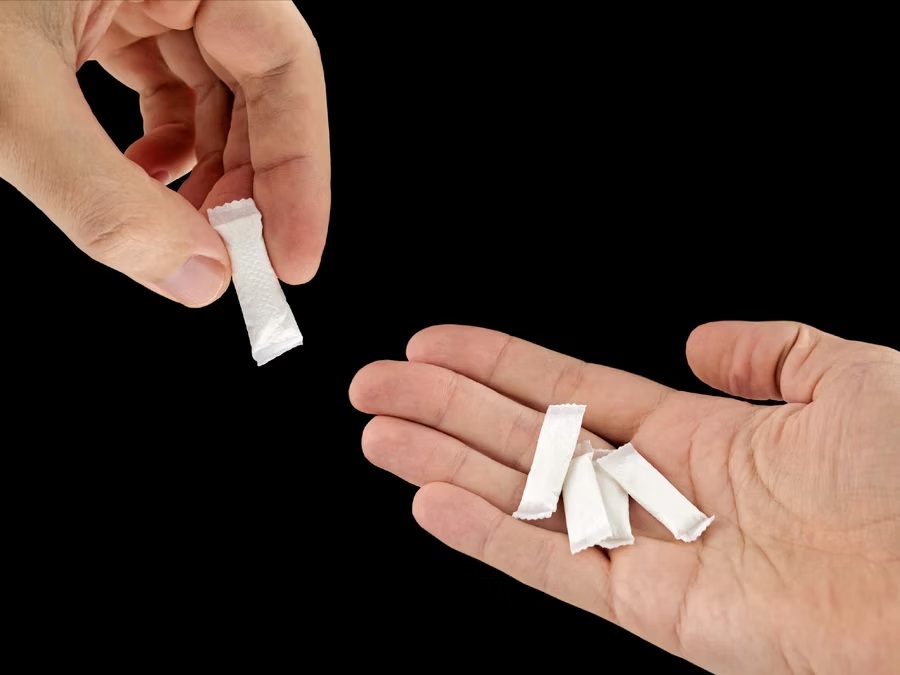
Material selection influences durability, appearance, and the ability of packaging to protect its contents. Different approaches offer distinct functional and visual characteristics.
- Rigid plastic containers: These provide structure and help protect pouches from crushing during routine handling.
- Flexible packaging components: Lightweight materials can reduce bulk while supporting efficient product organization.
- Moisture-conscious construction: Appropriate barriers help manage exposure to environmental conditions.
- Durable lids: Strong closures contribute to repeated opening and closing without compromising everyday convenience.
For products marketed in Germany, material choices should align with applicable requirements for product safety, packaging, and environmental responsibility.
3. Labeling and Visual Information
Clear labeling helps distinguish product varieties and communicate relevant information. Thoughtful layouts make important details easier to locate without overcrowding the package.
- Product identification: Clear descriptions help differentiate available pouch formats.
- Nicotine information: Accurate declarations support informed awareness of product strength.
- Ingredient details: Readable information improves transparency about product composition.
- Storage guidance: Appropriate instructions explain how to maintain suitable storage conditions.
- Legibility: Balanced typography and sufficient contrast improve readability across package surfaces.
A presentation associated with Garant nicotine can be discussed through these general packaging principles without assuming specific material specifications or product features.
4. Sustainability and Responsible Packaging
Packaging development increasingly considers material efficiency, recyclability, and waste reduction. These priorities can influence both container construction and secondary packaging.
- Reduced material use: Efficient dimensions can limit unnecessary packaging components.
- Recyclable materials: Suitable material selection may improve recycling opportunities where local systems accept them.
- Clear disposal guidance: Instructions help consumers understand appropriate disposal options.
- Simplified packaging: Fewer unnecessary layers can support practical storage and material efficiency.
Germany provides a relevant context for considering packaging compliance and environmental responsibilities, although specific obligations depend on the product and applicable regulations.
Conclusion
Distinctive nicotine pouch packaging combines practical construction, informative labeling, and thoughtful material selection. From compact containers to clearly organized product information, each feature serves a particular purpose. In Germany, attention to regulatory compliance and responsible material use remains important when evaluating packaging approaches. Understanding these differences encourages more informed awareness of packaging design, product presentation, and appropriate disposal practices.